Why Your AI Coding Assistant Needs Full Context
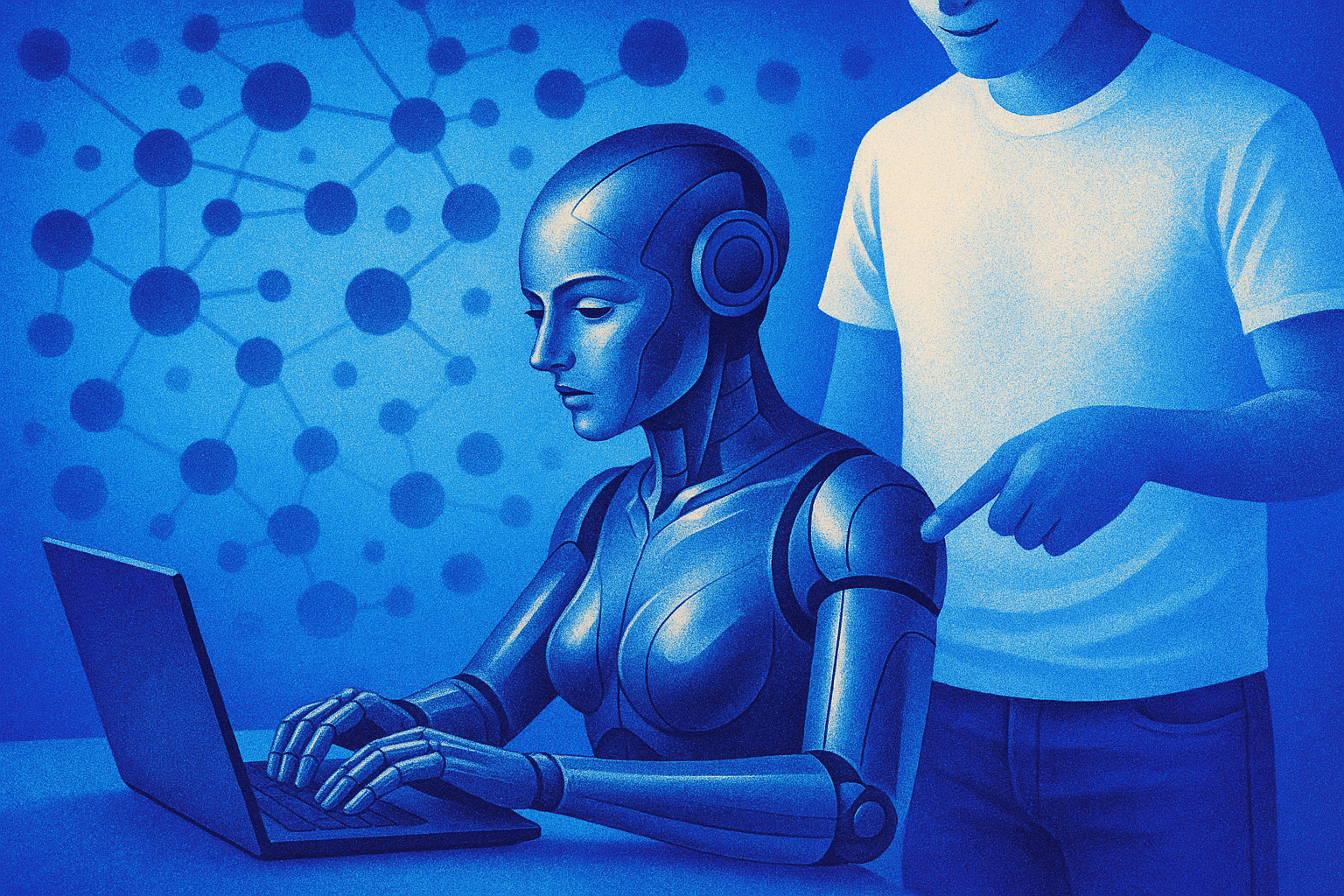
AI coding assistants excel at boilerplate, yet without full context they behave like newcomers.[1] Hand a senior dev just the starter file—no docs, no tickets, no other modules—and you'll get guesses: mismatched fixes, duplicated code, overlooked business rules.
The problem
- Narrow visibility.Language-model windows capture only the few files you paste, leaving most of the codebase unseen.[2][5]
- Blind to team conventions.Naming schemes, design patterns, and approved libraries live in guides and wikis—far outside the model's training data.[1]
- Business-logic gaps.Requirements and edge-case rules sit in task trackers or docs the assistant never reads.[3]
- Missed runtime signals.Error traces and logs that reveal real-world failures stay siloed, so the AI can't learn from production pain.[3]
- Developer overhead.Engineers become "context copy-pasters," feeding snippets to the tool and fixing off-target suggestions—eroding the promised productivity boost.
Our Solution: A Unified Context Engine
We're building a context engine that unifies your development ecosystem—project trackers, source control, documentation, and monitoring tools. It follows a simple yet powerful operational flow:[4]
Operational Flow: From Data to Context
First, we integrate with your tools. Then, our system performs knowledge extraction, building a living codegraph of your repository. Finally, this enriched context is served via the Model Context Protocol (MCP), making it instantly available to your AI assistant.
Use Cases: Real-World Impact
In practice, you can transform a non-technical Jira ticket into a developer-ready prompt, trace a Sentry bug to its root cause, or onboard an assistant to a legacy codebase in minutes.
The result? Your assistant produces code that aligns with your patterns, satisfies the task requirements, and avoids known pitfalls—no manual babysitting required.
Background:
This idea spun off from our work on AI agents that review pull requests. To make those reviewers truly useful we:
- Integrated with the development stack to ingest tasks, docs, logs, and test results.
- Built a codegraph creator that maps every module, dependency, and architectural layer.
- Linked business-logic knowledge from tickets and discussions back to nodes in that graph.
With that full picture, the review agents began catching logical inconsistencies, domain-specific edge cases, and pattern violations that basic language models missed. We soon realized the same contextual engine could supercharge everyday coding assistants, turning generic suggestions into production-ready solutions.
References
- Pete Hodgson. "Why Your AI Coding Assistant Keeps Doing It Wrong, and How to Fix It." 22 May 2025. blog.thepete.net.
- GitHub Docs. "Best practices for using GitHub Copilot – Provide Copilot with helpful context." Updated 2025. docs.github.com.
- Quinn Slack. "OpenCtx update: @-mentions and information from your dev tools, shown everywhere you read/write code." Sourcegraph Blog, 20 May 2024.
- Anthropic. "Introducing the Model Context Protocol (MCP)." 25 Nov 2024. anthropic.com/news.
- LinearB Blog. "Is GitHub Copilot worth it? ROI & productivity data." June 11 2025. linearb.io.